
Published June 22, 2026
What Makes a Land Parcel Attractive to Builders?

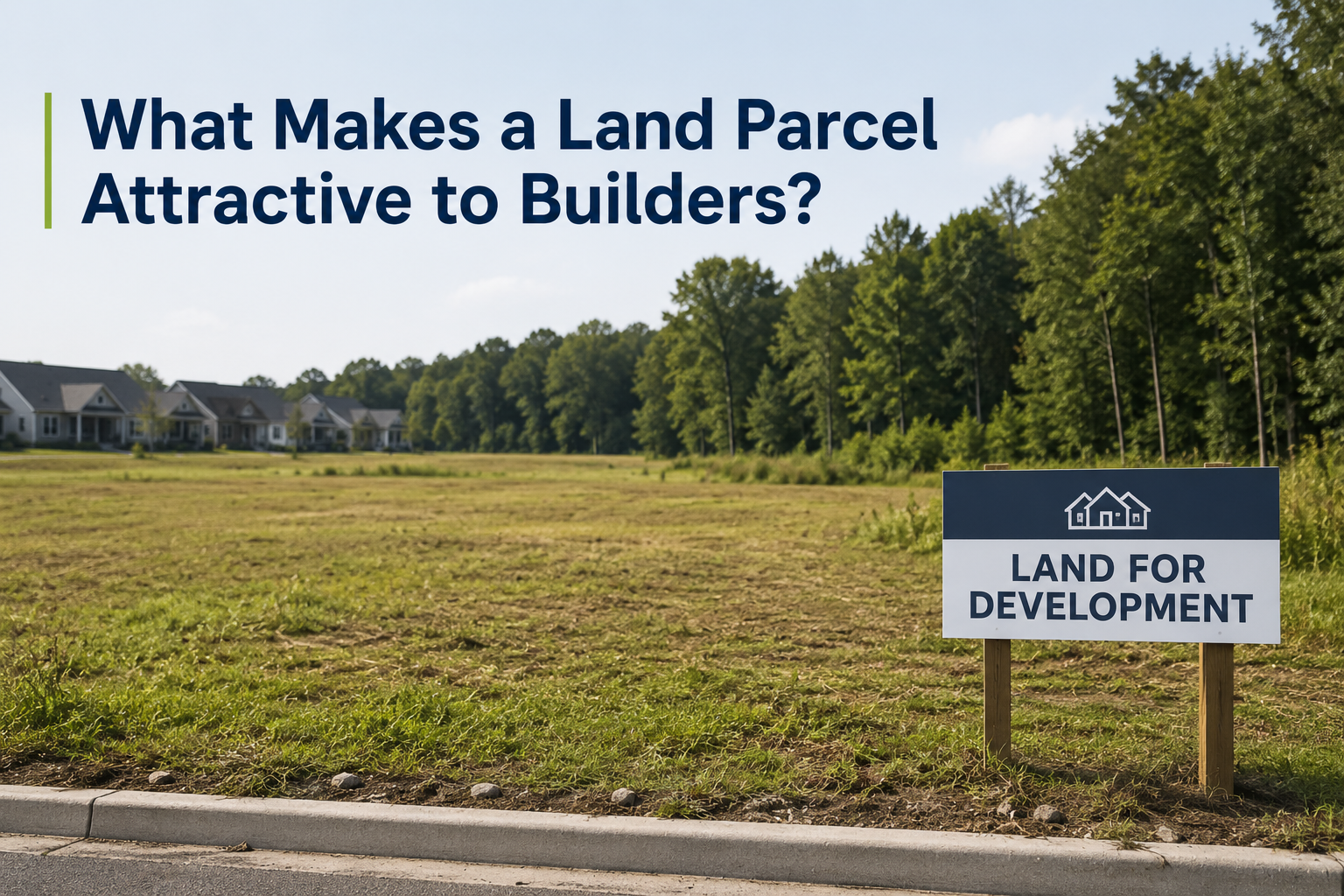
If you own land in New Jersey or are considering selling a development property, you may wonder what builders actually look for when evaluating opportunities. Not every piece of land has the same value to a developer. The most desirable land parcels for builders offer a combination of location, zoning, access, utilities, and strong buyer demand.
I’m Anna Safonova, Broker Owner of NJ Realty Pros in Old Bridge, New Jersey. Over the years, I have worked with property owners, investors, and builders throughout Monmouth County, Middlesex County, and surrounding areas. One thing I have learned is that a property's development potential often matters more than its size alone.
Understanding what builders evaluate can help landowners position their property more effectively and recognize opportunities that may otherwise be overlooked.
Why Location and Buyer Demand Matter Most
Before a builder studies zoning maps or engineering reports, they first look at location. A great property in the wrong location may not be attractive, while a smaller parcel in a high-demand area can generate significant interest.
Builders pay close attention to:
- School districts
- Commute access
- Nearby shopping and services
- Employment centers
- Population growth
- Housing demand
For example, parts of Monmouth County continue to attract buyers seeking larger homes, suburban neighborhoods, and access to major highways. Areas with strong buyer demand often support new development because builders have confidence that completed homes will sell.
The question builders ask is simple: "Will buyers want to live here?"
If the answer is yes, the property immediately becomes more valuable.
Land Parcels for Builders Need Proper Frontage and Access
One of the first physical characteristics a builder reviews is road frontage and site access.
Frontage refers to the amount of property touching a public roadway. Many municipalities have minimum frontage requirements before a property can be subdivided or developed.
Builders generally prefer parcels that offer:
- Direct road access
- Adequate frontage
- Safe entry and exit points
- Visibility from public streets
- Easier utility connections
A parcel located behind other properties without legal access can create challenges. Even a large tract of land may become difficult or expensive to develop if access issues exist.
Corner lots, road-facing parcels, and properties near existing infrastructure often receive more attention from developers.
Zoning and Density Create Development Potential
Zoning is one of the most important factors affecting the value of land.
Zoning regulations determine:
- What can be built
- Minimum lot sizes
- Building height limits
- Density allowances
- Setback requirements
- Permitted uses
A property zoned for multiple homes may attract far more interest than land limited to a single residence.
Builders carefully evaluate whether zoning supports their intended project. In some cases, they may pursue variances or rezoning, but those processes require additional time and investment.
When evaluating land opportunities, developers often focus on density. Density refers to how many homes or units can potentially be developed on the site.
A parcel capable of supporting several homes often provides greater development value than one supporting only a single residence.
Utilities and Infrastructure Can Make or Break a Project
Access to utilities is another major factor when evaluating development opportunities.
Builders typically investigate:
- Public water availability
- Public sewer connections
- Electric service
- Natural gas access
- Stormwater requirements
- Internet and communication infrastructure
Properties already served by public utilities often move through the development process more efficiently.
Land requiring private wells or septic systems can still be attractive, but those factors may affect development costs and overall project feasibility.
Infrastructure improvements can become a significant expense. Builders carefully calculate these costs before making offers on land.
A property with nearby utility connections may command stronger interest because development becomes more predictable.
Site Constraints and Approvals Matter More Than Size
Many landowners assume larger parcels automatically attract builders. In reality, site conditions often matter more than acreage.
Builders evaluate potential constraints such as:
- Wetlands
- Flood zones
- Environmental restrictions
- Easements
- Steep slopes
- Protected areas
- Drainage concerns
A ten-acre property with major environmental restrictions may offer less development potential than a smaller parcel with fewer limitations.
Developers also review approval requirements. Properties with completed surveys, engineering work, subdivision approvals, or prior planning studies may be especially attractive because they reduce uncertainty.
Anything that shortens the development timeline can increase builder interest.
How Sellers Can Position Land Opportunities Effectively
Many property owners do not realize their land may have value beyond a traditional residential sale.
The best approach is understanding the property's development potential before marketing it.
Helpful information may include:
- Current zoning details
- Survey documents
- Tax maps
- Utility information
- Environmental reports
- Previous development studies
- Access documentation
Providing this information early helps builders evaluate opportunities more efficiently.
At NJ Realty Pros, we often help property owners understand how builders may view their land. Sometimes a parcel that appears ordinary can become attractive because of location, zoning, or future development trends.
This is why professional evaluation is so important before deciding how to market a property.
Understanding What Builders Want Creates Better Opportunities
The strongest land parcels for builders combine several important factors: desirable location, strong buyer demand, proper access, favorable zoning, available utilities, and manageable site conditions. When these elements align, a property becomes much more attractive to developers looking for future projects.
Whether you own vacant land, inherited acreage, or a property with redevelopment potential, understanding these factors can help you make informed decisions about your next steps.
I’m Anna Safonova, Broker Owner of NJ Realty Pros in Old Bridge, NJ. If you own land in Monmouth County, Middlesex County, or elsewhere in New Jersey and would like to discuss development potential, builder interest, or selling opportunities, call me at (718) 313-7751.
If you have a property that may fit future development needs, send us your land opportunity. I would be happy to provide a free consultation and help you understand the property's potential value in today's market.


