
Published May 2, 2026
What Does a Real Estate Agent Actually Do for You?

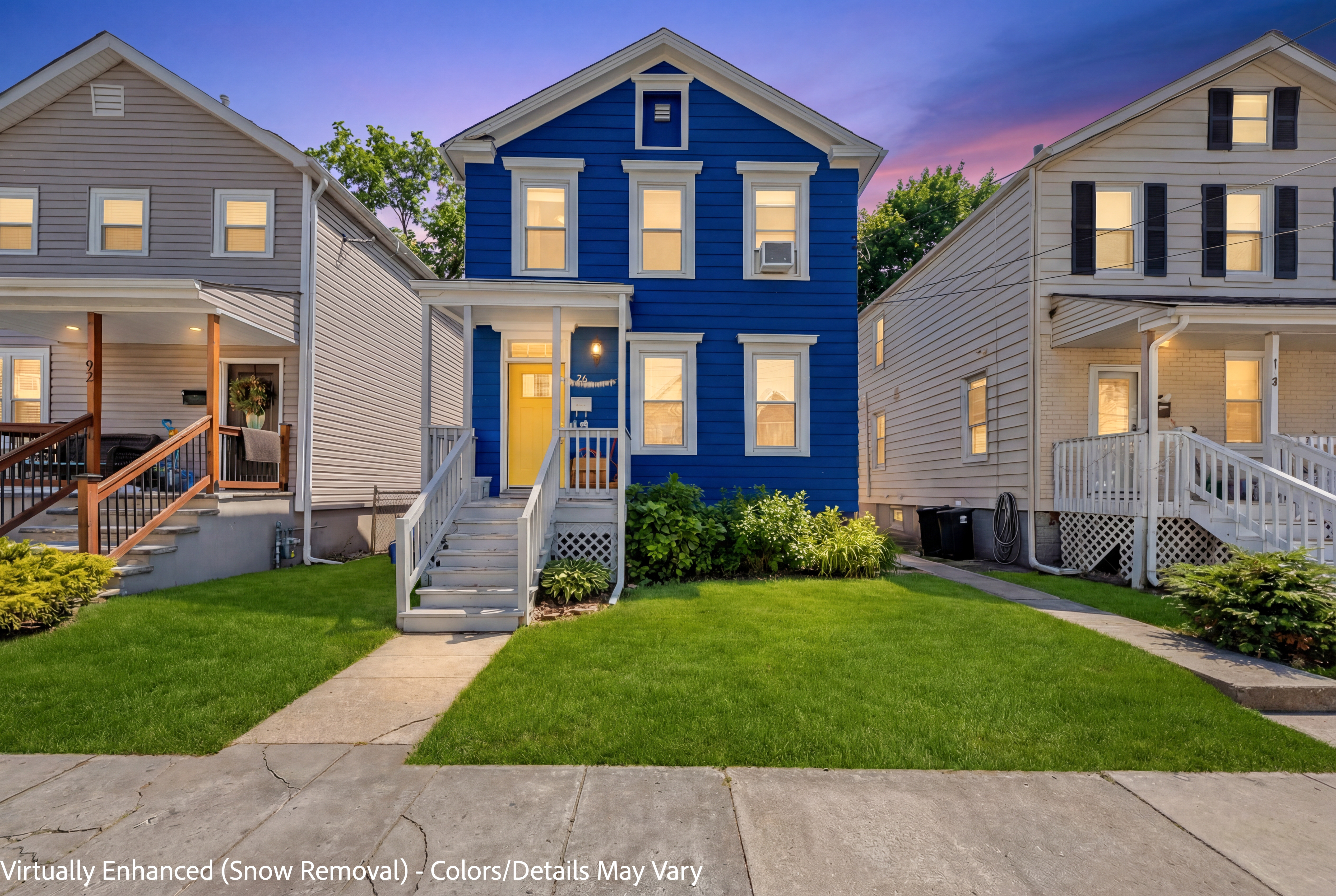
If you are buying or selling a home in New Jersey, a real estate agent does much more than open doors or put a sign in the yard. A good agent helps you understand the market, make smart decisions, manage deadlines, and move through the process with less stress.
That matters because real estate is one of the biggest financial decisions most people make. In New Jersey, where local markets can change from town to town, working with a knowledgeable real estate professional can help you avoid confusion and feel more prepared.
Here is what a real estate agent actually does for buyers and sellers.
A Real Estate Agent Helps You Understand the Market
One of the first things an agent does is help you understand what is happening in the local housing market. This includes recent sales, current inventory, buyer demand, pricing trends, and how quickly homes are moving.
For buyers, this helps you know whether a home is priced fairly and how competitive your offer may need to be. For sellers, this helps you choose a listing price that matches the market instead of guessing.
In New Jersey, market knowledge is especially important because conditions can vary by county, town, school district, commute access, property type, and price range. A local NJ real estate broker can explain what buyers are responding to right now and what sellers should expect before listing.
For Buyers: An Agent Helps You Find and Evaluate Homes
When you are buying a home in New Jersey, your agent helps you narrow your search based on your budget, lifestyle, location needs, and must-have features.
An agent can help you:
- Review available homes that match your goals
- Schedule private showings
- Compare homes against recent sales
- Notice potential concerns during tours
- Understand offer strategies
- Coordinate with lenders, attorneys, inspectors, and other professionals
A strong buyer’s agent does not just say, “This house is nice.” They help you think through value, condition, resale potential, location, and whether the home fits your long-term needs.
The National Association of REALTORS reported that buyers often value agents for helping them understand the process, pointing out unnoticed property features or faults, negotiating better contract terms, and improving their knowledge of search areas.
For Sellers: An Agent Helps Price, Prepare, and Market the Home
If you are selling a home in New Jersey, your agent helps you prepare before the home ever hits the market.
That may include:
- Reviewing comparable sales
- Suggesting a pricing strategy
- Recommending repairs or improvements
- Helping with staging or presentation
- Arranging professional photos or marketing materials
- Listing the home where qualified buyers are searching
- Managing showing feedback
- Reviewing offers
Pricing is one of the most important parts of the process. If a home is priced too high, it can sit and lose momentum. If it is priced too low, you may leave money on the table. A good listing agent helps you understand the balance between attracting attention and protecting your goals.
Marketing also matters. Today’s buyers often see a home online before they ever schedule a showing. Your agent helps position the property so it looks strong in photos, descriptions, online listings, and buyer communications.
Your Agent Helps With Offers and Negotiations
Negotiation is one of the biggest reasons many buyers and sellers choose to work with an agent.
For buyers, an agent can help you decide what price and terms may make your offer stronger. That includes more than the offer amount. It can also include closing date, inspection terms, appraisal concerns, financing details, and other contract points.
For sellers, an agent helps you compare offers beyond the headline price. The highest offer is not always the strongest offer if the terms create more risk or uncertainty. Your agent can help you review buyer qualifications, contingencies, timelines, and possible negotiation points.
A good real estate agent helps keep emotion from taking over. Buying or selling a home can feel personal, but your agent’s job is to help you stay focused on the bigger picture.
A Good Agent Keeps the Transaction Moving
Once a home is under contract, there are still many steps before closing. Your agent helps coordinate the process so deadlines are not missed.
This may include:
- Tracking inspection timelines
- Communicating with the other side’s agent
- Coordinating with attorneys, lenders, title professionals, and inspectors
- Helping resolve repair or inspection issues
- Preparing for appraisal-related questions
- Keeping you updated on next steps
- Helping plan the final walkthrough
In New Jersey, many real estate transactions also involve attorneys. Your agent does not replace legal advice, but they can help keep communication organized between the parties and professionals involved.
Why Local New Jersey Experience Matters
Real estate is local. A home search in Bergen County may feel very different from one in Monmouth County, Hudson County, Essex County, Middlesex County, or South Jersey. Even two nearby towns can have different pricing patterns, buyer demand, taxes, commute appeal, and property expectations.
That is why local experience matters. A New Jersey real estate agent who understands your area can help you interpret the market instead of relying only on national headlines.
For buyers, that means better guidance on neighborhoods, offer strategy, and realistic expectations. For sellers, it means better pricing, stronger marketing, and a clearer plan for attracting qualified buyers.
The Bottom Line
A real estate agent’s job is to guide, advise, coordinate, negotiate, and protect the process from start to finish. Whether you are buying your first home, selling a longtime property, relocating, or investing, the right agent can help you make informed decisions.
If you are planning to buy or sell a home in New Jersey, working with a local NJ real estate broker can give you the guidance and structure you need from the first conversation to the closing table.