
Published June 1, 2026
Understanding Builder Contracts: What Buyers Should Watch For

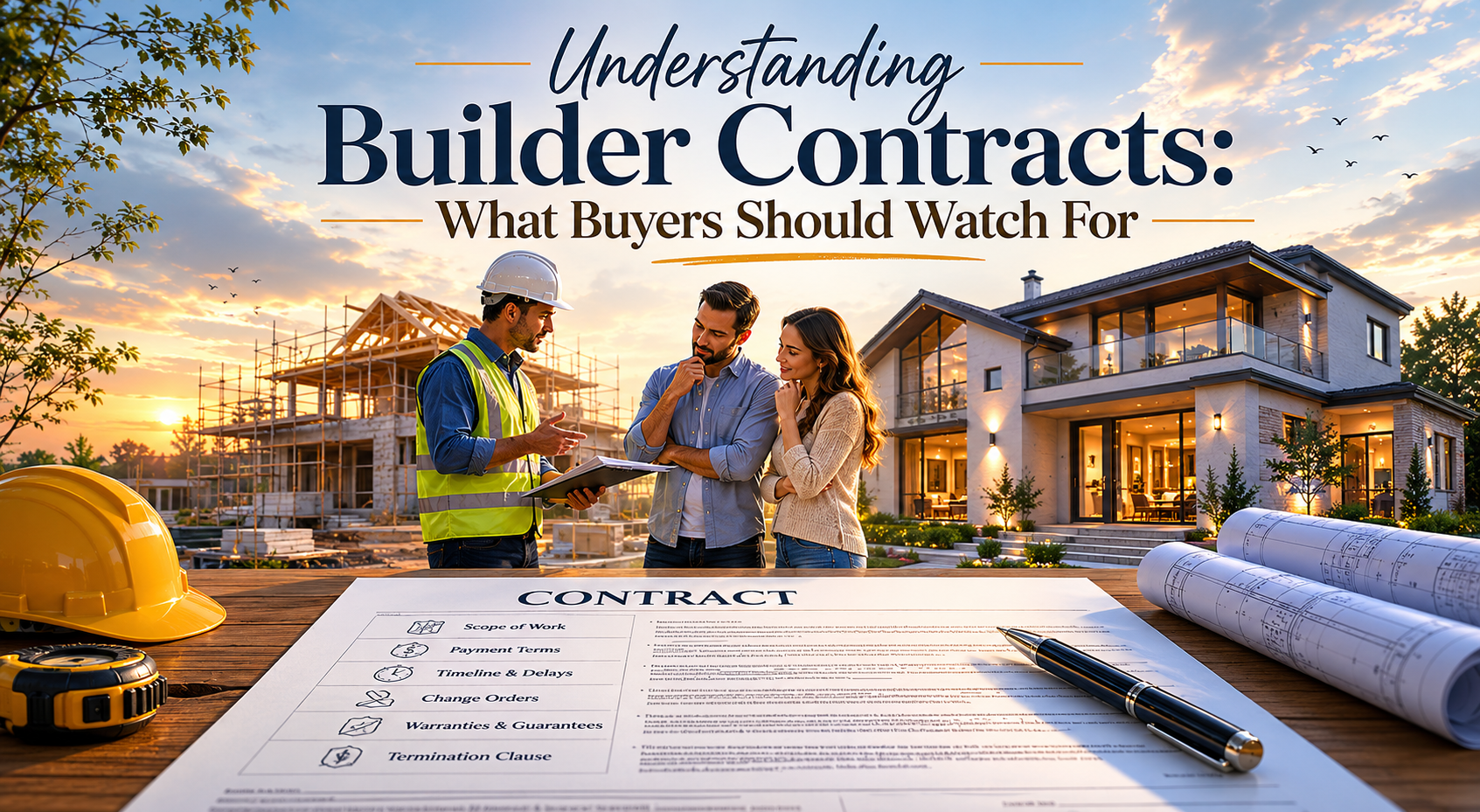
Buying a newly built home can be exciting. You get modern features, energy-efficient systems, and the chance to personalize parts of the home. But before you sign anything, it is important to understand the details of a new construction contract.
Many buyers assume a builder contract is similar to a standard resale purchase agreement. In reality, builder contracts are often longer, more detailed, and written to protect the builder's interests. That does not mean you should avoid new construction. It simply means you should understand what you are signing.
As Anna Safonova, Broker Owner of NJ Realty Pros in Old Bridge, NJ, I help buyers throughout Middlesex County, Monmouth County, and across New Jersey navigate the new construction process. Knowing what to watch for in a builder contract can help you avoid surprises and make informed decisions.
How a New Construction Contract Differs From a Resale Contract
When purchasing an existing home, buyers and sellers typically negotiate using standard state-approved forms. A new construction contract is different because builders usually create their own agreements.
These contracts often contain:
- Builder-specific timelines
- Deposit requirements
- Upgrade policies
- Construction delay clauses
- Warranty information
- Change order procedures
Many builder contracts can exceed 50 pages. Buyers should take time to review every section carefully before signing.
Because these contracts are unique, buyers should strongly consider having an attorney review the agreement during the attorney review period. This extra step can help identify important details that may affect your purchase.
Deposits and Payment Schedules
One of the first things buyers notice is the deposit requirement.
Builders typically require larger deposits than traditional resale transactions. Depending on the community and builder, buyers may be asked to provide:
- An initial deposit at contract signing
- Additional deposits during construction
- Deposits for upgrades and design selections
Before signing, ask questions such as:
- Is the deposit refundable?
- Under what circumstances could I lose my deposit?
- What happens if financing changes?
- Are upgrade deposits refundable?
Understanding how deposits are handled can help you avoid unexpected financial risks.
Many buyers focus only on the purchase price while overlooking deposit terms. However, these provisions can be some of the most important parts of the contract.
Understanding Timelines and Construction Delays
One of the biggest misconceptions buyers have is that construction completion dates are guaranteed.
Most builder contracts provide estimated completion dates rather than firm deadlines. Construction schedules can be affected by:
- Weather
- Labor shortages
- Material availability
- Permit delays
- Utility connections
- Municipal inspections
New Construction Contract Timeline Clauses
When reviewing your new construction contract, pay close attention to language regarding:
- Estimated completion dates
- Builder extension rights
- Delay notifications
- Closing flexibility
- Occupancy timelines
Many contracts give builders significant flexibility if delays occur. Buyers should understand these provisions before committing to a moving schedule.
If you are selling another property, coordinating the timing becomes even more important.
Change Orders and Upgrade Selections
One of the biggest advantages of new construction is customization. Buyers often enjoy selecting flooring, cabinets, countertops, paint colors, and other finishes.
However, customization comes with rules.
Most builders use a formal change order process that outlines:
- Deadlines for selecting upgrades
- Pricing approval procedures
- Payment schedules
- Restrictions on future changes
After certain construction stages are completed, changes may no longer be allowed.
Before making selections, ask:
- What upgrades add long-term value?
- Which upgrades are easiest to add later?
- Which upgrades must be completed during construction?
A real estate professional familiar with builder communities can help buyers evaluate upgrade choices and avoid overspending on features that may not provide strong resale value.
Warranties and What They Actually Cover
Many buyers assume a new home means no future repairs. While new homes generally have fewer maintenance issues, no home is perfect.
That is why understanding builder warranties is important.
Most new construction homes include warranties covering certain components for specific periods of time.
Warranty coverage may include:
- Structural elements
- Major systems
- Mechanical equipment
- Roofing components
- Workmanship items
Buyers should carefully review:
- Warranty duration
- Claim procedures
- Coverage limitations
- Exclusions
- Builder response requirements
It is also important to understand how warranty service requests are submitted after closing.
Knowing these details ahead of time can make future warranty issues much easier to address.
Why Attorney Review Matters
In New Jersey, attorney review is a valuable part of the home-buying process.
Builder contracts are often written by attorneys representing the builder. Buyers should have their own legal representation review the agreement before moving forward.
An attorney may help clarify:
- Financing contingencies
- Deposit protection provisions
- Construction timelines
- Warranty obligations
- Closing requirements
- Default provisions
Attorney review does not necessarily mean changing every contract term. Instead, it helps buyers understand their rights and obligations before making a major investment.
For many buyers in Monmouth County and Middlesex County, this additional review provides valuable peace of mind.
The Role of a Real Estate Professional During the Builder Contract Process
Some buyers believe they do not need representation when purchasing new construction. In reality, having an experienced real estate professional can be extremely helpful.
A knowledgeable agent can assist with:
- Community comparisons
- Builder reputation research
- Contract guidance
- Upgrade decisions
- Inspection recommendations
- Timeline planning
- Closing preparation
Builder sales representatives work for the builder. Their job is to represent the builder's interests.
Your agent's role is to help represent your interests throughout the process.
At NJ Realty Pros in Old Bridge, NJ, I help buyers understand the entire new construction experience—from selecting the community to reviewing contracts, evaluating upgrades, and preparing for closing.
Protect Yourself Before You Sign
A new construction contract is one of the most important documents you will sign during the home-buying process. Understanding deposits, timelines, contingencies, change orders, warranties, and attorney review can help you move forward with confidence.
The goal is not to fear the contract. The goal is to understand it.
If you are considering purchasing a new construction home anywhere in Middlesex County, Monmouth County, or throughout New Jersey, contact Anna Safonova, Broker Owner of NJ Realty Pros in Old Bridge, NJ, at (718) 313-7751. I would be happy to provide a free consultation, answer your questions, and help you navigate the new construction process with confidence.