
Published May 3, 2026
Rehab Properties in New Jersey: What Buyers and Sellers Need to Know

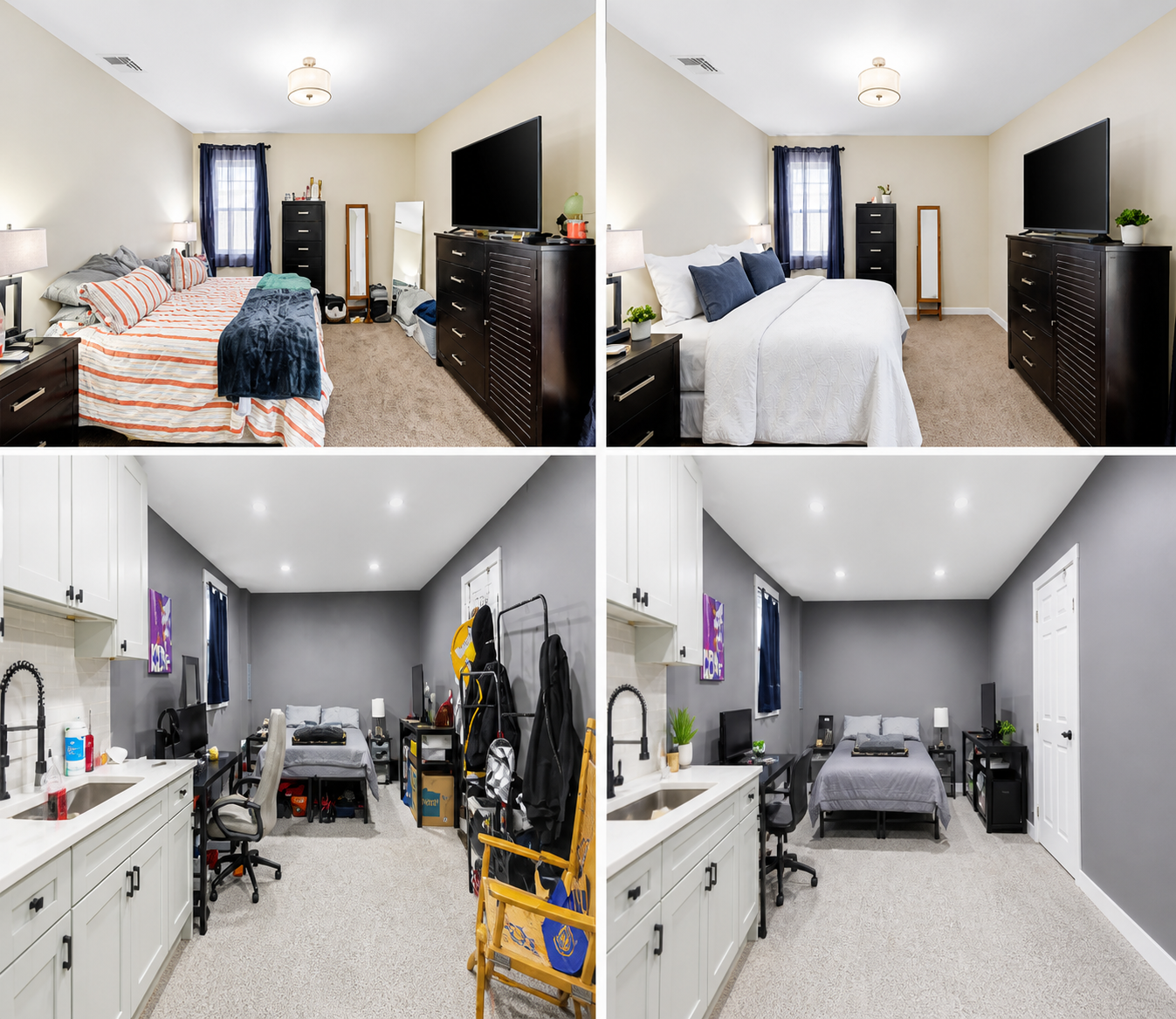
A rehab property NJ can be one of the most interesting opportunities in real estate—but also one of the most misunderstood. Some buyers see potential. Others see risk. Sellers often struggle with how to price these homes correctly without losing value or turning away qualified buyers.
The truth is, rehab properties require a different strategy than move-in-ready homes. Condition, repair costs, and buyer expectations all play a major role in determining value.
I’m Anna Safonova, Broker Owner of NJ Realty Pros in Old Bridge, New Jersey. I help buyers and sellers across New Jersey understand how to approach rehab properties with clarity, not confusion.
In this guide, I’ll break down what you need to know whether you’re buying, selling, or investing in a rehab property NJ.
What Is a Rehab Property NJ?
A rehab property NJ is a home that needs repairs, updates, or full renovation before it reaches modern living standards.These homes may include:
- Outdated kitchens and bathrooms
- Old roofing or mechanical systems
- Structural or cosmetic damage
- Homes that have been neglected over time
But not all rehab properties are the same. Some only need cosmetic updates. Others require full renovation.Types of rehab properties:
- Light rehab (paint, flooring, minor repairs)
- Medium rehab (kitchens, baths, systems updates)
- Heavy rehab (structural work, full rebuild elements)
📍 Local Insight: In Monmouth County, rehab properties are often purchased by investors looking to add value in established neighborhoods.
How Condition Impacts Pricing
Condition is the biggest factor when pricing a rehab property NJ. Two homes on the same street can have very different values based on repair needs.Key pricing factors include:
- Estimated repair costs
- Comparable fully renovated homes
- Location and lot value
- Market demand for fixer-uppers
Sellers often make the mistake of pricing based on “potential value” instead of current condition.Buyers, on the other hand, must calculate:
- Purchase price
- Renovation budget
- Holding costs (taxes, insurance, utilities)
📍 Local Insight: In New Jersey, investors often use “after repair value” (ARV) to determine whether a rehab property is worth purchasing.
Risks and Rewards of Rehab Properties
A rehab property NJ can offer strong upside—but only if the numbers make sense.
Potential rewards:
- Lower purchase price
- Ability to build equity through improvements
- Customization opportunities
- Strong resale potential after renovation
Key risks:
- Unexpected repair costs
- Permit and construction delays
- Higher financing challenges
- Underestimating total project cost
Important questions to ask:
- What is the true cost of renovation?
- Are there hidden structural issues?
- Is the neighborhood strong enough to support resale value?
📍 Local Insight: In Monmouth County, rehab properties in desirable neighborhoods often perform well after renovation due to strong buyer demand.
Strategy for Buyers: How to Evaluate a Rehab Property NJ
Buying a rehab property NJ requires more than just liking the location. It requires a clear strategy.Steps smart buyers take:
- Get a full inspection before committing
- Bring in a contractor early
- Estimate repair costs realistically
- Compare ARV (after repair value) to total investment
Things to look for:
- Foundation condition
- Roof and structural integrity
- Electrical and plumbing systems
- Layout flexibility after renovation
Tips for success:
- Don’t skip inspections
- Always budget extra for unexpected costs
- Work with local contractors familiar with NJ permits
📍 Local Insight: In New Jersey, rehab projects often require local approvals, which can affect timelines and costs significantly.
Strategy for Sellers: How to Price Rehab Properties Correctly
If you’re selling a rehab property NJ, pricing strategy is everything.
You have two main options:
- Sell as-is to investors
- Make light improvements before listing
Key considerations:
- Investor demand in your area
- Cost of repairs vs potential value increase
- Time on market expectations
What investors look for:
- Clear discount compared to renovated homes
- Strong neighborhood comps
- Transparent condition disclosures
Sellers should avoid:
- Overpricing based on future value
- Ignoring repair realities
- Assuming retail buyers will compete for heavy rehab homes
📍 Local Insight: In Monmouth County, well-priced rehab properties often attract multiple investor offers quickly.
Why Rehab Properties Require Local Expertise
A rehab property NJ is not just a listing—it’s a project with financial and construction variables.
As Anna Safonova, Broker Owner of NJ Realty Pros in Old Bridge, NJ, I work with both buyers and sellers to:
- Evaluate true repair costs
- Analyze after-repair value (ARV)
- Connect investors with opportunities
- Help sellers price correctly for condition
- Avoid costly mistakes in renovation planning
Local market knowledge is critical because rehab value depends heavily on neighborhood demand and buyer behavior.
Final Thoughts on Rehab Property NJ
A rehab property NJ can be a smart investment or a financial mistake—it all depends on strategy.For buyers, success comes from:
- Accurate cost analysis
- Strong contractor support
- Understanding resale value
For sellers, success comes from:
- Honest pricing
- Clear condition disclosure
- Targeting the right buyer pool
When handled correctly, rehab properties can create strong opportunities in New Jersey’s real estate market.
📞 Let’s Talk About Your Rehab Property StrategyI’m Anna Safonova, Broker Owner of NJ Realty Pros in Old Bridge, New Jersey, and I help buyers and sellers across New Jersey navigate rehab properties with confidence.
📞 Call or text: (718) 313-7751
📧 Reach out today for a free consultation or property evaluation
Let’s review your rehab property and build the right strategy together.